What Actually Happens When We Come Out to Your House
A breakdown of what a garage door service call actually involves in El Dorado Hills, from spring and track checks to the age-specific issues common in 1960s-2000s builds here.
Local detail
When It Stops Being a DIY Job
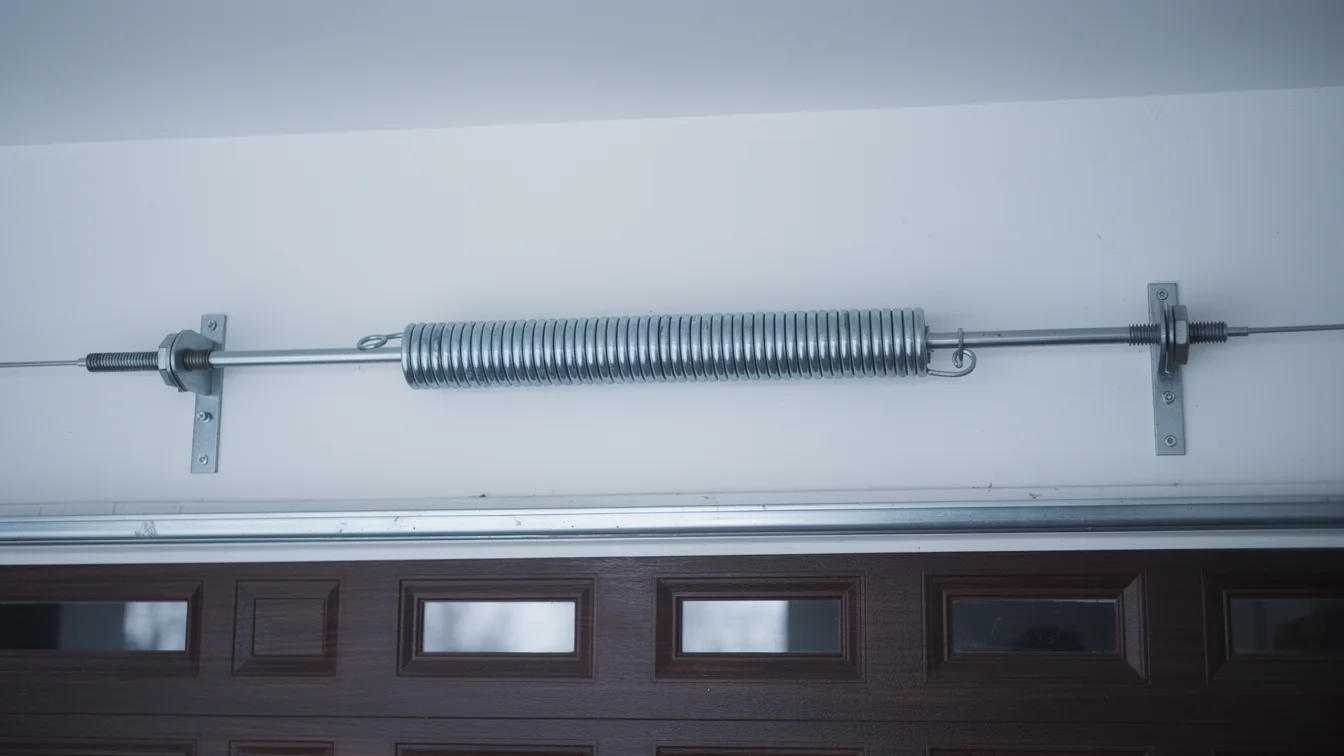
Most of the houses in this part of El Dorado Hills went up somewhere between 1959 and 2004, with the bulk of the stock dating to the 1980s and 90s. That matters because a door is a mechanical system, and a 20 to 40 year old torsion spring, cable, or hinge set has been through a lot of open-close cycles. Once a spring is visibly stretched, a cable has frayed strands, or a panel has started to sag at the bottom rollertrack, you're past the point where a can of lubricant and a YouTube video fixes it.
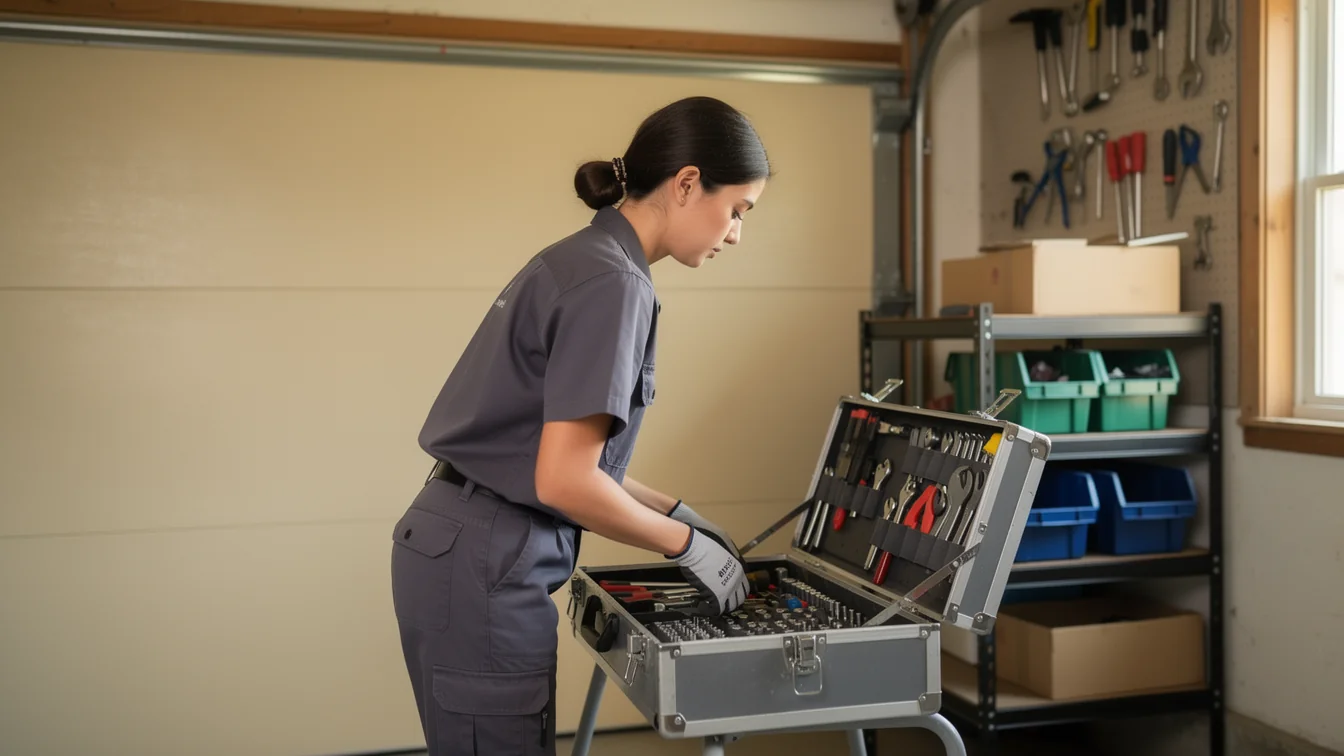
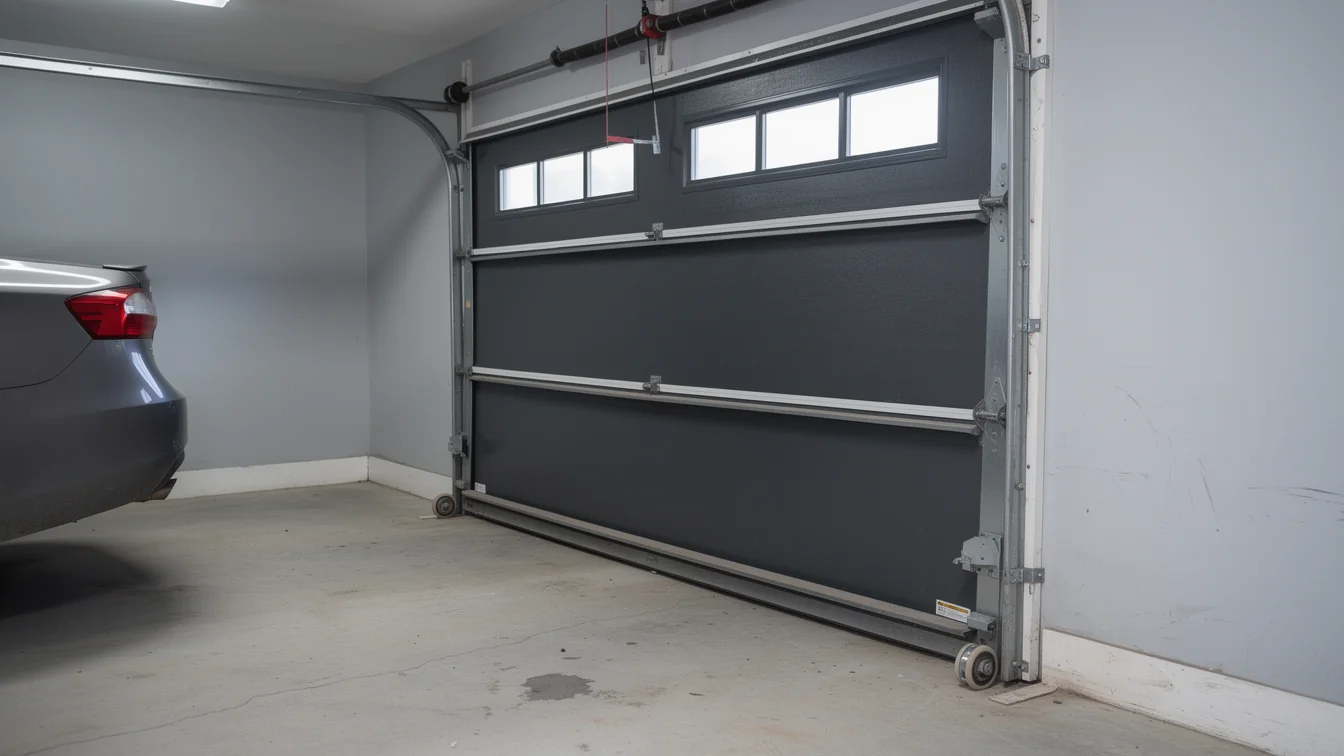
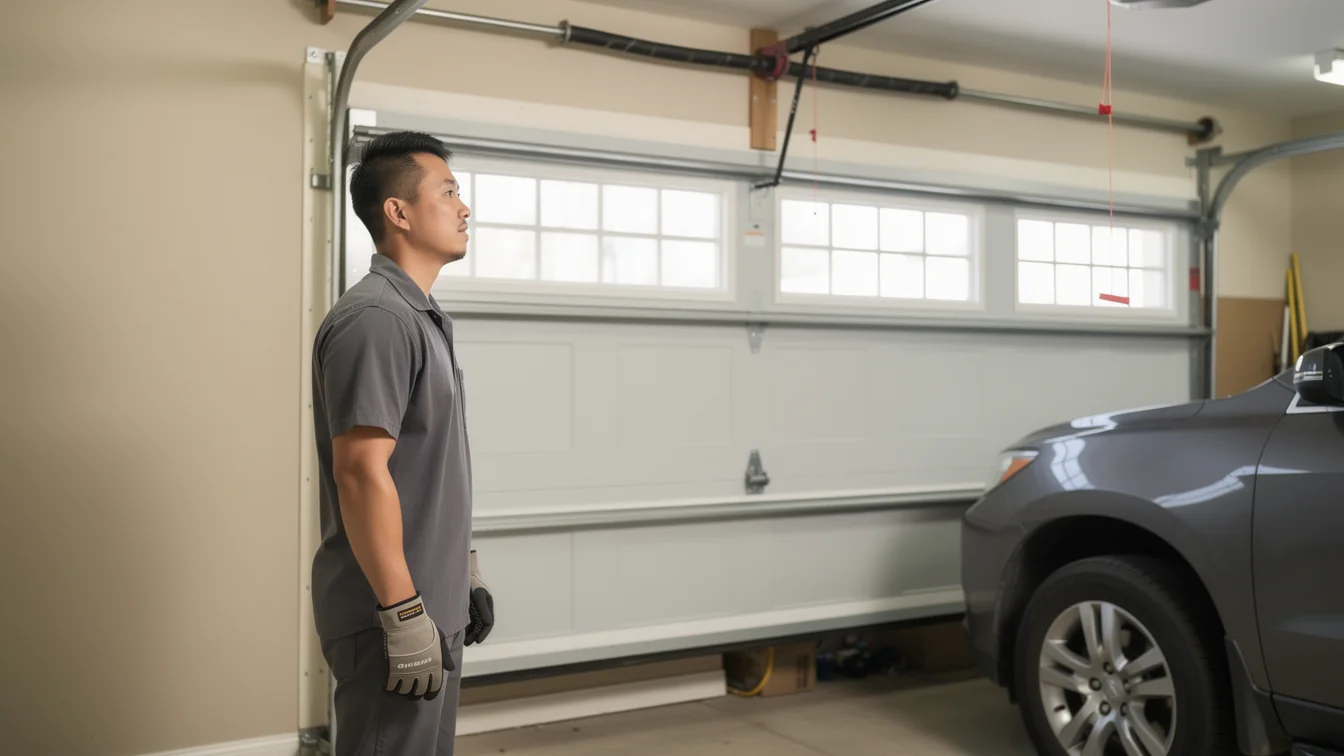
A service call starts with us pulling the door manually, off the opener, and watching how it balances. A door built right should sit level and hold its position about halfway up. If it drops or shoots up, the spring tension is off, and that's not something to adjust with the door loaded onto the opener's motor. We also check the track alignment, since homes from this era commonly have steel tracks that have shifted slightly as the house has settled over 20-plus years. That's the line between a homeowner fix and a call: anything involving spring tension, bent track, or a cable under load needs a second set of hands and the right bars, not a ladder and good intentions.
The area
What Local Conditions Do
The climate here sits in a moderate heat band rather than an extreme one, which is good news for the door itself - you're not fighting the kind of repeated freeze-thaw cycling that cracks panels and seizes hardware elsewhere. What you do get is heat-driven expansion and contraction on metal tracks and steel panel seams, especially on garages that face west and take the afternoon sun directly. Over a 20 to 40 year span, that cycling works screws loose in the track brackets and can warp a hollow-core panel enough that it no longer seats against the weatherstrip.
On a service call, we're checking track bracket fasteners first, because loose brackets from thermal cycling are one of the more common issues we find on doors from this build era. We also look at the bottom seal and the panel-to-panel seams for daylight gaps, which tell us whether warping has started. None of this is dramatic damage - it's slow, cumulative wear from decades of daily heat exposure on the metal, and it's exactly the kind of thing that gets missed until the door starts binding or the opener strains.
What we find
The Problem
The core problem on a lot of calls out here isn't a broken part, it's a mismatch between an aging mechanical system and a homeowner who's never had a reason to look at it closely. With median household income here at $97,972, most of the houses we're in are well maintained on the visible stuff - paint, landscaping, roofs - but a garage door spring isn't something anyone thinks about until it lets go.
Across the broader service area there are roughly 65,852 owner-occupied houses out of about 129,929 households, and a good share of those sit on original or first-replacement hardware from the 1981 median build year. That means a lot of torsion springs are well past their rated cycle count without anyone knowing it. A service call is as much diagnostic as repair: we're figuring out whether a part is at end of life, whether the opener's force settings have drifted to compensate for a failing spring, and whether the fix is a single part or a hardware set. One honest limitation here - if a spring has failed and taken out an opener's gears at the same time, replacing just the spring won't solve it, and we'll tell you that up front rather than send you home with half a repair.
How we work
Checking It Yourself
Before you call, there's a short list you can check safely without touching anything under tension. Look at the bottom corners of the door for rust or wood rot if it's an older panel, since moisture collecting at ground level is common regardless of the moderate climate here. Pull the emergency release cord with the door closed and see if it moves freely by hand - if it's stiff or grinding, that's a track or roller issue, not a spring issue. Listen for the opener motor straining or reversing partway through a cycle, which usually means the balance is off rather than the opener itself failing.
What you shouldn't do is loosen anything near the torsion spring at the header, or try to re-tension a cable yourself. Those parts store enough energy to cause real injury, and on a house built in the 1980s or 90s, the original hardware wasn't designed with easy field adjustment in mind. If you're within a few miles of El Dorado Hills - out toward Cameron Park or Shingle Springs, say - the same build-era issues apply, and a call gets you an actual diagnosis instead of a guess.
Questions
Common questions
How old does a garage door spring usually get before it fails around here?
Most of the houses in El Dorado Hills were built between 1959 and 2004, with the median around 1981, so a lot of original torsion springs are 20 to 40-plus years into service. Springs don't have a fixed shelf life, but cycle count and metal fatigue add up over that span, and failure often comes without much warning.
Does the local climate cause specific garage door problems?
The area sits in a moderate heat band, so we're not dealing with freeze-thaw damage. What we do see is thermal expansion on steel tracks and panels, especially on west-facing garages, which loosens track brackets and can warp panel seams over decades of daily heat cycling.
Can I just tighten the track brackets myself?
Checking for loose brackets is fine to do visually, but tightening them while the door is under spring tension can shift the track alignment further. It's a quick fix on a service call once the door is off-loaded safely, but not a great DIY step on a loaded system.
What's the one thing you won't fix on the spot?
If a failed spring has already damaged the opener's gears, we won't just swap the spring and call it done - that's a half repair. We'll tell you both parts need attention before we touch anything.
Recommendation
You Might Also Like
More garage door guides for El Dorado Hills homeowners.
Why garage door springs in El Dorado Hills homes built between 1959 and 2004 fail on cool mornings, what the moderate climate band actually means, and what to check before you call.
What a grinding, popping, or slamming garage door means in El Dorado Hills homes built mostly between 1959 and 2004, and when to stop troubleshooting and call someone.