
Is Your El Dorado Hills Garage Door Worth Repairing or Replacing?
Most El Dorado Hills homes went up between 1959 and 2004, many built in the 1980s and 90s.
Read moreBlogEl Dorado Hills, CA · 4 min read
Most El Dorado Hills homes date to 1959-2004, median 1981 - before insulated garage doors were standard. Here's what that means for your door today.
Local detail
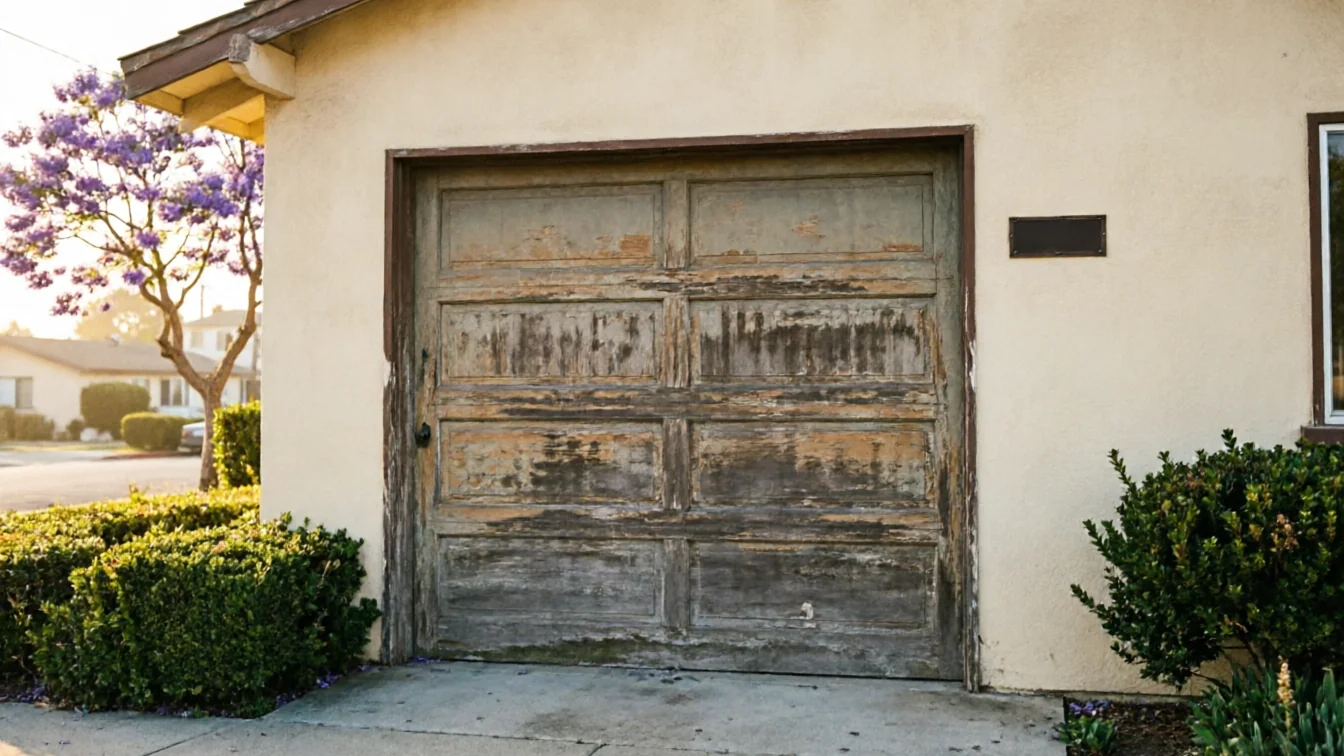
If your house in El Dorado Hills went up anywhere near the median build year of 1981, there's a good chance the garage door is original or close to it - a single layer of steel over an empty cavity, hung on torsion hardware that was fine for its time but isn't stocked the way modern parts are. Tightening a hinge or swapping a roller is fine to do yourself. Once you're dealing with a bowed panel, a spring that's lost tension, or a door that's heavier on one side than the other, you're past the point where a Saturday project makes sense. Torsion springs store enough force to break fingers or worse, and on doors this old the winding cones themselves can be fatigued. If the door came with the house and the house is from the 1980s or 90s - which covers most of this area - treat any spring or cable work as a call, not a project. DIY is for seals, lubrication, and visual checks. It stops being that the moment you're touching anything under tension or anything structural to the panel itself.
The area
El Dorado Hills sits in a moderate-heat climate band, not an extreme one, but moderate heat sustained over a full afternoon still does work on an uninsulated steel door. A single-skin panel with no foam core absorbs heat on the outside and passes a good share of it straight through to the garage air, and if the garage backs onto a bedroom or laundry room, that heat doesn't stop at the wall. This isn't a problem unique to any one house - it's a function of the door material and the build era, and across this area's housing stock, mostly dating from the 1980s and 90s, a lot of doors share that same construction. The practical effect is a garage that runs warmer than it should through the hot months, and a door skin that expands and contracts enough, cycle after cycle, to loosen fasteners and stress seams faster than an insulated door would. None of this is dramatic. It's slow wear, the kind that shows up as a sag or a rattle a decade after it should have.
What we find
Doors built in the window this area's housing falls into - 1959 through 2004, median around 1981 - generally predate the point where insulated doors became the default rather than the upgrade. That means a lot of houses here still have the original door: steel skin, no thermal break, no foam fill, hung on hardware sized for a lighter, simpler panel than what most manufacturers sell today. The problem isn't that these doors are broken. It's that they were never built to the standard a new door meets, and forty-plus years of opening and closing on original springs and tracks is a long run for equipment that wasn't designed to last that long. When a spring finally goes, or a panel finally warps past the point of adjustment, replacing with another uninsulated door just resets the same clock. We're honest about this: retrofitting insulation into an old steel skin isn't something you bolt on afterward. If the door's original to a 1980s or 90s build, the door itself is usually the thing that needs to change, not just a part inside it.
How we work
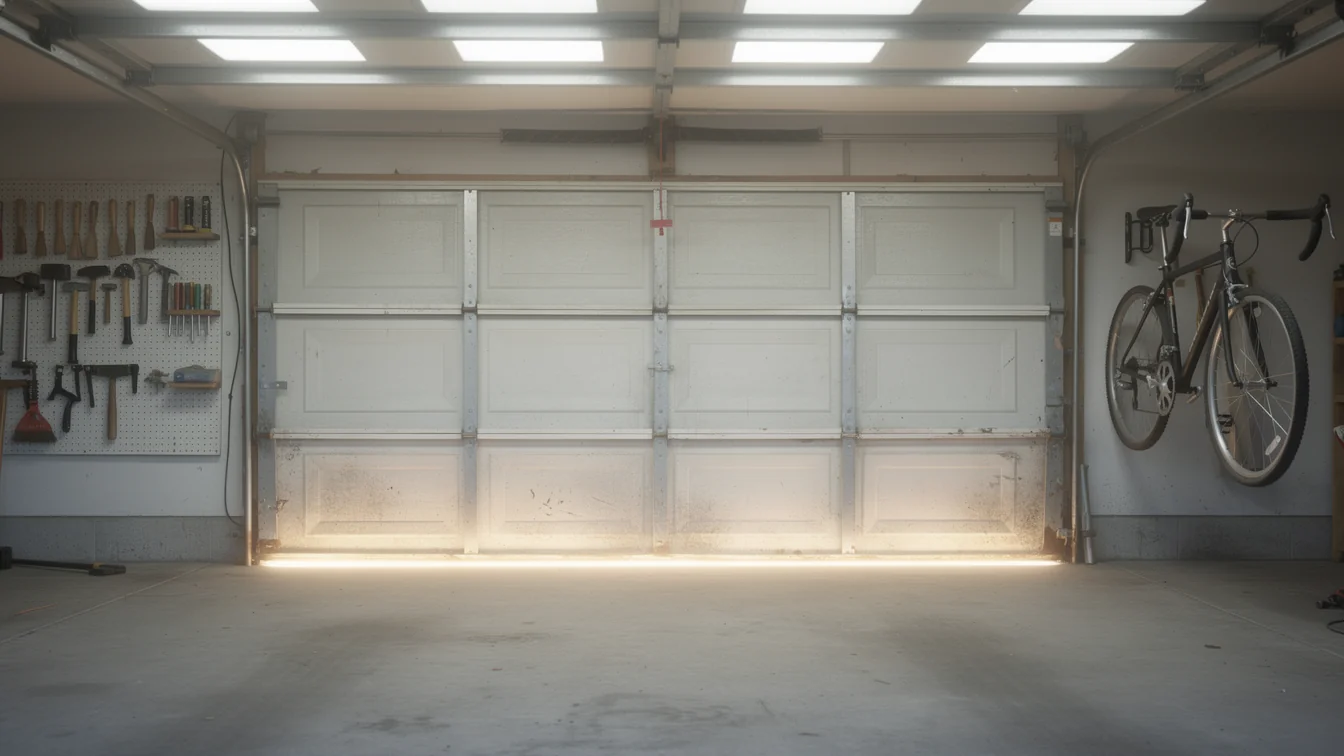
Start at the bottom seal. On an original door from this era, the rubber astragal is often the first thing to fail, and daylight showing underneath on a sunny afternoon is an easy, safe thing to check without touching the door mechanism. Next, stand back and look at the panel lines - a door that's been absorbing heat for forty years sometimes shows a slight bow or wave across a panel that wasn't there when it was new. Run a hand along the inside skin, if it's safe to reach; a door with no insulation feels the same temperature as the outside air, where an insulated door feels noticeably different. Check that the door moves evenly on both sides when it travels, since uneven cable tension shows up as one side dragging. What you shouldn't do is loosen the winding cones on the torsion spring or try to adjust tension yourself - that's the one step on this list that belongs to a call, not a weekend.
Questions
If you know roughly when your section of El Dorado Hills was built, you have a starting point - most of the area's housing dates from 1959 to 2004, with 1981 as the rough midpoint. A single-skin steel panel with no visible foam core and older-style torsion hardware is a strong sign it's original or close to it.
Not really. Insulation kits exist for retrofit, but on a steel skin that's decades old and already fatigued from heat cycling, you're adding weight to hardware that wasn't sized for it. Given the moderate heat this area sees, a new insulated door is usually the straighter path than retrofitting an old one.
An uninsulated steel door, common in houses from this area's main building era, absorbs afternoon heat and passes a lot of it into the garage air. It's not a defect - it's just how that generation of door was built, before insulated cores were standard.
It depends on the door. A spring on its own can usually be replaced without touching the panel. But if the door is original to a 1980s or 90s build and the spring has failed, it's worth checking the whole unit, since a lot of other parts are the same age and may be close behind.
Recommendation
More garage door guides for El Dorado Hills homeowners.
Most El Dorado Hills homes went up between 1959 and 2004, many built in the 1980s and 90s.
Read more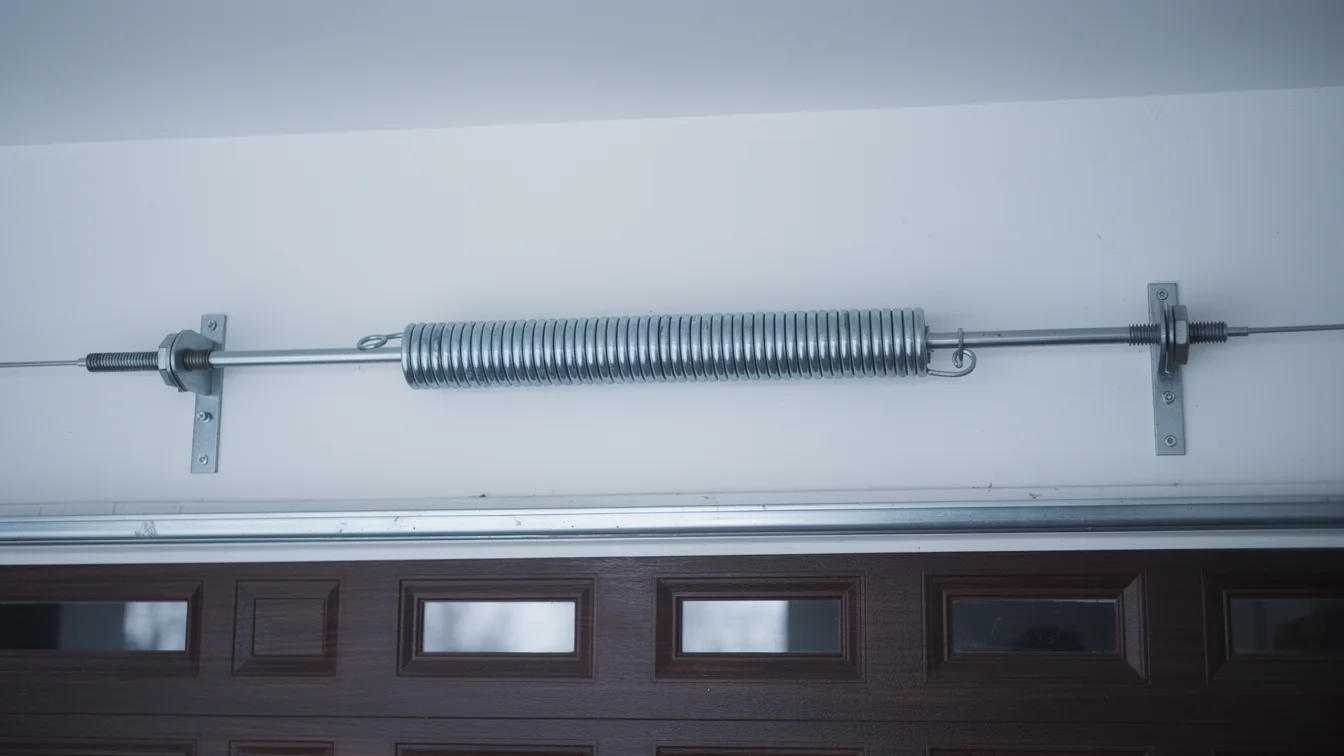
Why garage door springs in El Dorado Hills homes built between 1959 and 2004 fail on cool mornings, what the moderate climate band actually means, and what to check before you call.
Read more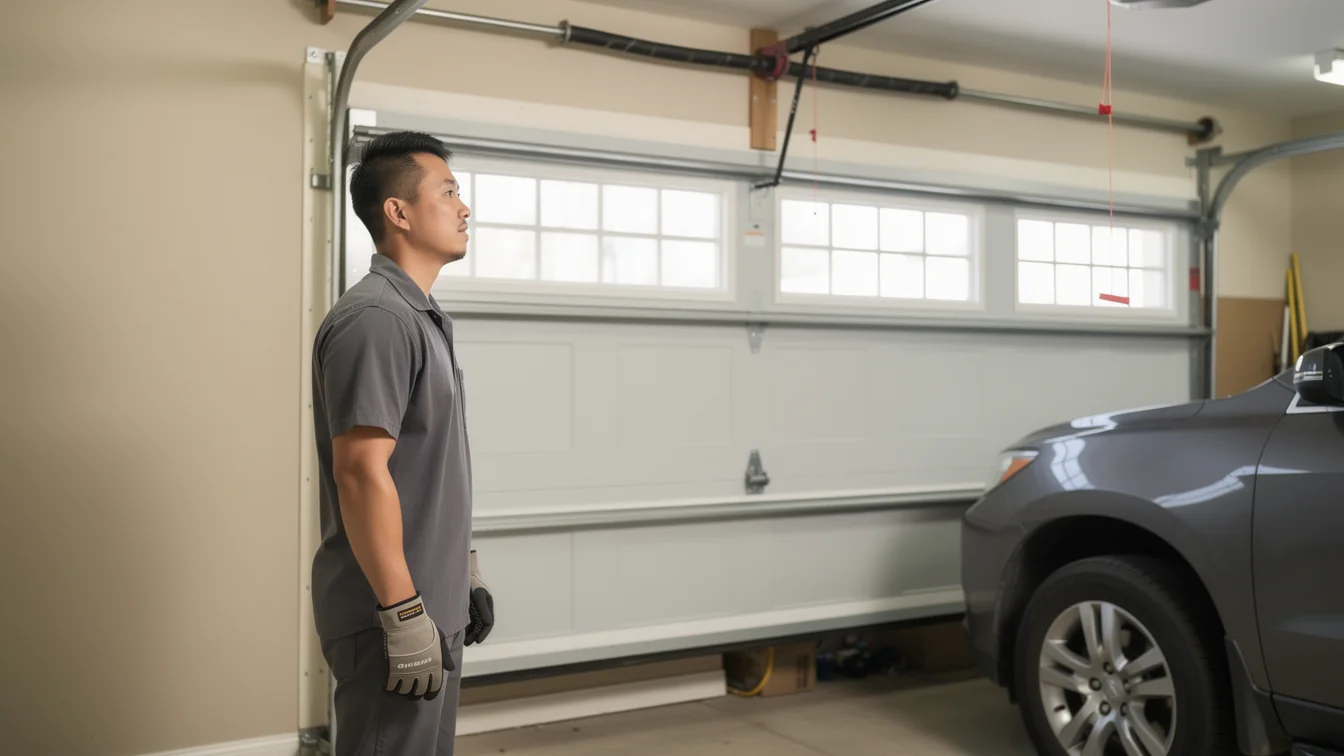
What a grinding, popping, or slamming garage door means in El Dorado Hills homes built mostly between 1959 and 2004, and when to stop troubleshooting and call someone.
Read moreReady when you are
El Dorado Hills Garage Door Pros repairs and installs garage doors, springs and openers in El Dorado Hills, CA and the surrounding area.