Weather Seals and Draughts in El Dorado Hills Garage Doors
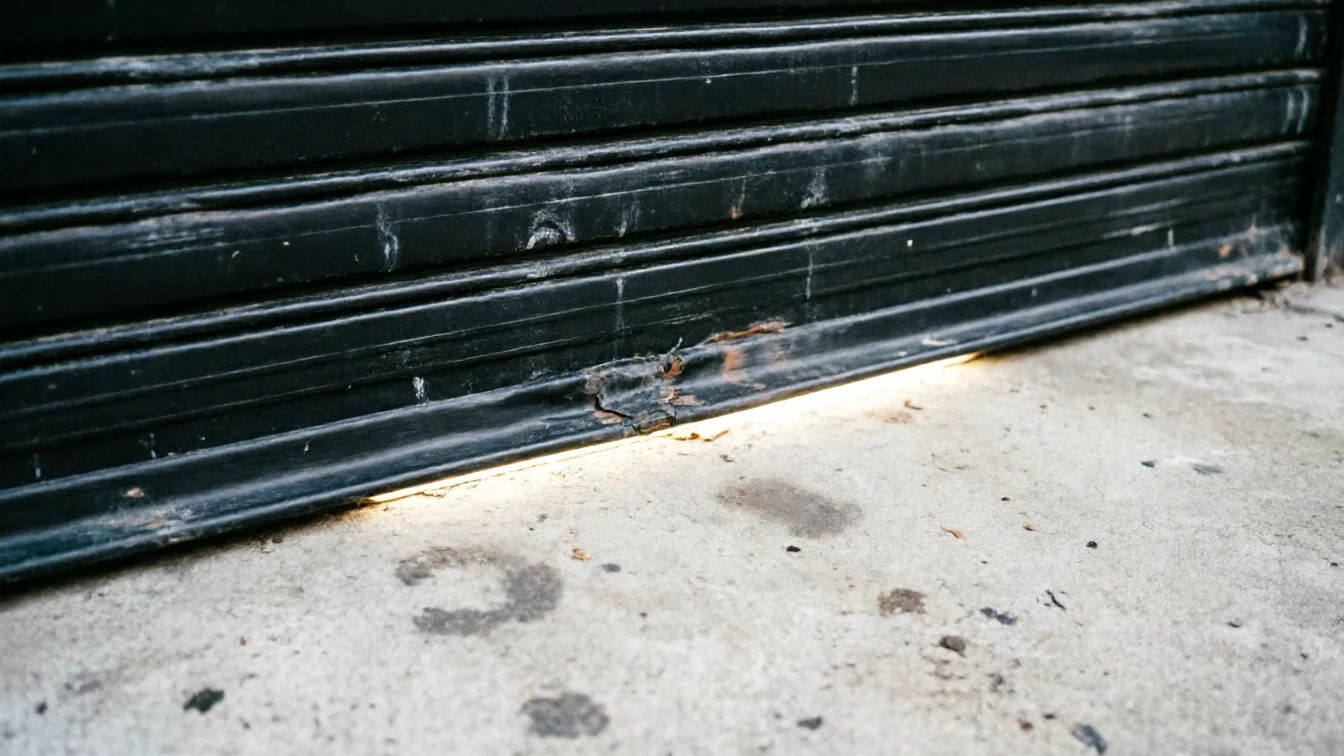
Why garage door seals fail in El Dorado Hills homes built 1959-2004, what the moderate-heat climate does to them, and how to check your own door before calling a pro.
Read moreBlogEl Dorado Hills, CA · 4 min read
Why openers in El Dorado Hills homes built 1959-2004 fail during outages, what the heat does to the circuit board, and when to call instead of guess.
Local detail
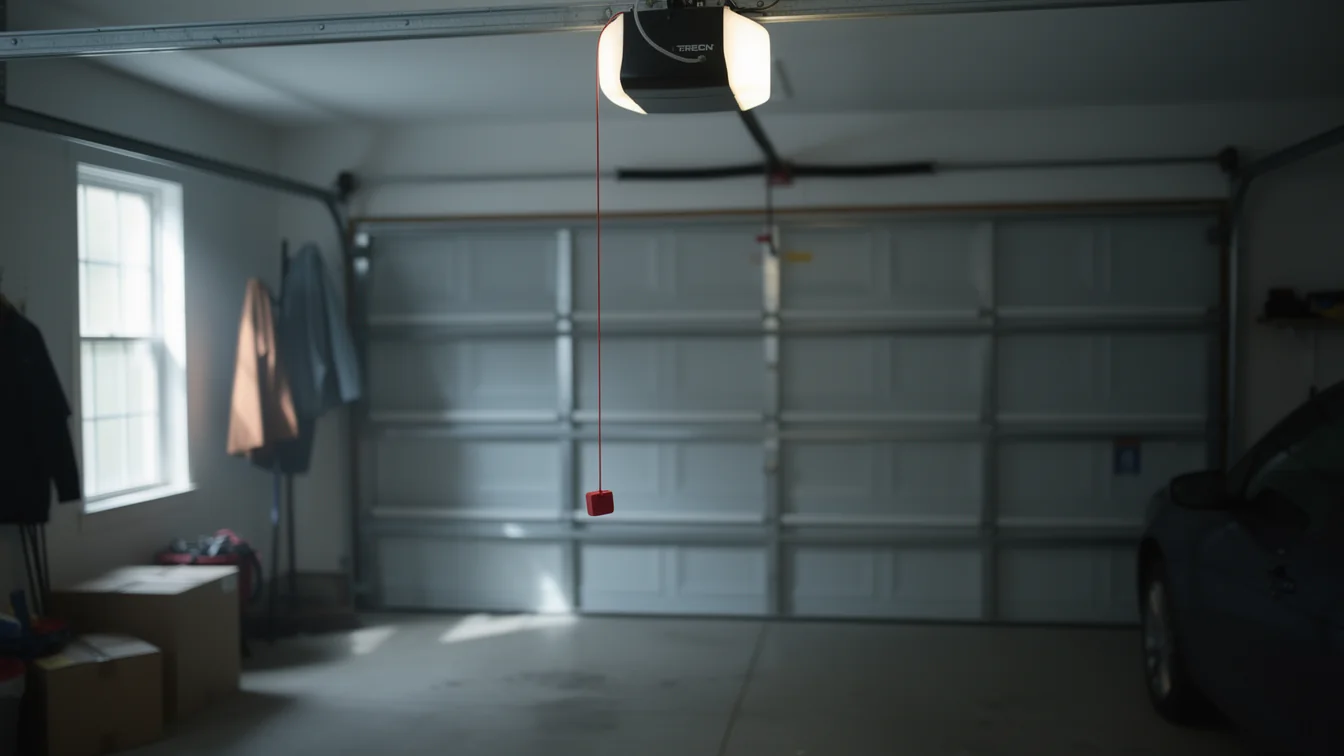
Most houses in this part of El Dorado Hills went up between 1959 and 2004, with the bulk of that stock dating to the 1980s and 90s. That matters here because it's the window when chain-drive openers without any battery backup were standard builder-grade equipment, and a lot of those original units are still bolted to the ceiling. When the power cuts, those openers just stop - no beep, no backup kicking in, nothing. If your door won't budge and you can hear the motor humming or clicking but the carriage isn't moving, that's a capacitor or a stripped gear, not something you fix with WD-40. Pull the manual release cord, lift the door by hand to confirm the springs are still doing their job, and if it moves smooth and holds position, the opener itself is the problem, not the door. If it's heavy, uneven, or won't stay up, stop - that's spring tension, and that's not a DIY repair. Swapping the opener head is reasonable for a handy homeowner. Diagnosing a logic board that's intermittently dying in the heat usually isn't.
The area
El Dorado Hills sits in a moderate heat band, not the extreme highs some Central Valley towns see, but garages here still run well above outside temperature on a closed-up summer afternoon. Openers built in the 80s and 90s weren't engineered with today's weatherproofing or surge protection, and a board that's been baking for three decades develops solder cracks and loose connections that show up exactly when the grid hiccups - a brownout or a quick outage is often what finally finishes off a part that was already marginal. That's a different failure mode than a brand-new opener losing power cleanly and restarting fine. Older units can come back up in a half-functioning state: lights on, remote dead, wall button working, or vice versa. If your opener behaves differently after every outage instead of resetting clean, the thermal stress on an aging board is a likely reason, not a coincidence.
What we find
With roughly 65,852 owner-occupied houses across this service area and a median household income near $97,972, a fair number of homeowners here can afford to replace an opener rather than nurse along a 1980s unit - but most don't realize the original one is still in the garage until a power cut exposes it. The honest limitation: we don't carry parts for every opener from that era. Some control boards and gear kits for builder-grade units from the 80s and 90s are long discontinued, and if yours is one of them, replacement is the only real option, not a repair. That's not an upsell - it's what happens when a manufacturer stops stocking a 30-year-old part number. Before you spend money, it's worth knowing whether your opener is even worth fixing versus swapping for a current unit with real battery backup.
How we work
Before calling anyone, do this: pull the red manual release cord and lift the door by hand. If it's light and balanced, the springs are fine and the opener is your issue. Check the wall outlet or dedicated circuit the opener plugs into - a tripped GFCI or breaker after an outage is common and free to fix. Look at the opener's indicator lights; most units from the 80s and 90s have none, so listen instead for a hum (motor trying, gears likely stripped) versus total silence (power or board issue). If the door moved fine before the outage and is dead after, and the outlet tests live, the opener's internal electronics took the hit. That's the point to stop testing and get a second opinion, especially if the unit still has its original chain-drive head from when the house was built.
Questions
Most El Dorado Hills openers built in the 1980s and 90s have no battery backup and no surge protection, so even a brief outage can trip the board or leave it in a half-reset state. If the door worked fine before the outage and the outlet tests live, the opener's internal electronics are the likely cause.
Sometimes. Chain-drive openers from that era are simple mechanically, but control boards and some gear kits are discontinued. If the part is still available, repair makes sense. If not, replacement is the only real option - we won't pretend otherwise.
Yes. The area sits in a moderate heat band, but a closed garage still runs much hotter than outside air on a summer afternoon. Older opener boards that have been through decades of that heat cycle are more prone to failing right when an outage adds extra stress.
Pull the manual release cord and lift the door by hand. If it's light and holds its position, the springs are fine and the opener is at fault. If it's heavy, uneven, or won't stay up on its own, that's spring tension - stop and call, don't force it.
Recommendation
More garage door guides for El Dorado Hills homeowners.
Why garage door seals fail in El Dorado Hills homes built 1959-2004, what the moderate-heat climate does to them, and how to check your own door before calling a pro.
Read more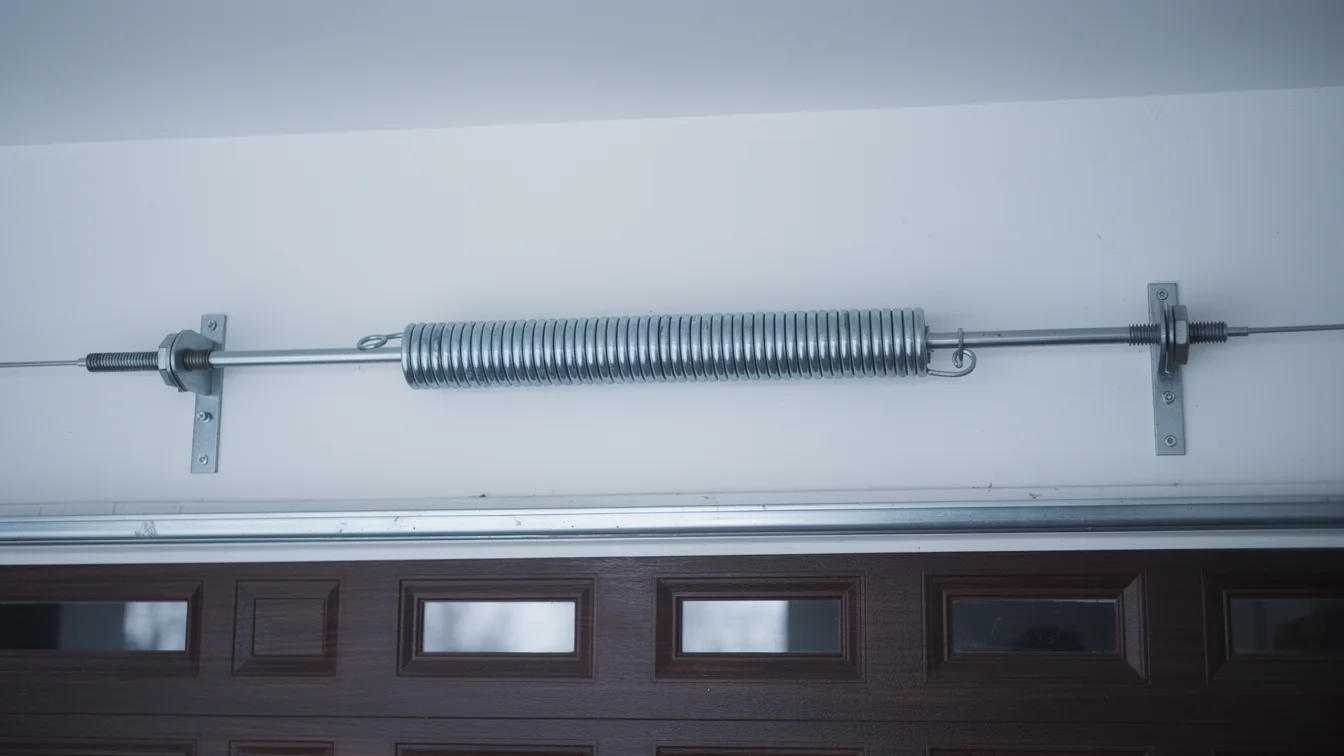
Why garage door springs in El Dorado Hills homes built between 1959 and 2004 fail on cool mornings, what the moderate climate band actually means, and what to check before you call.
Read more
What a grinding, popping, or slamming garage door means in El Dorado Hills homes built mostly between 1959 and 2004, and when to stop troubleshooting and call someone.
Read moreReady when you are
El Dorado Hills Garage Door Pros repairs and installs garage doors, springs and openers in El Dorado Hills, CA and the surrounding area.