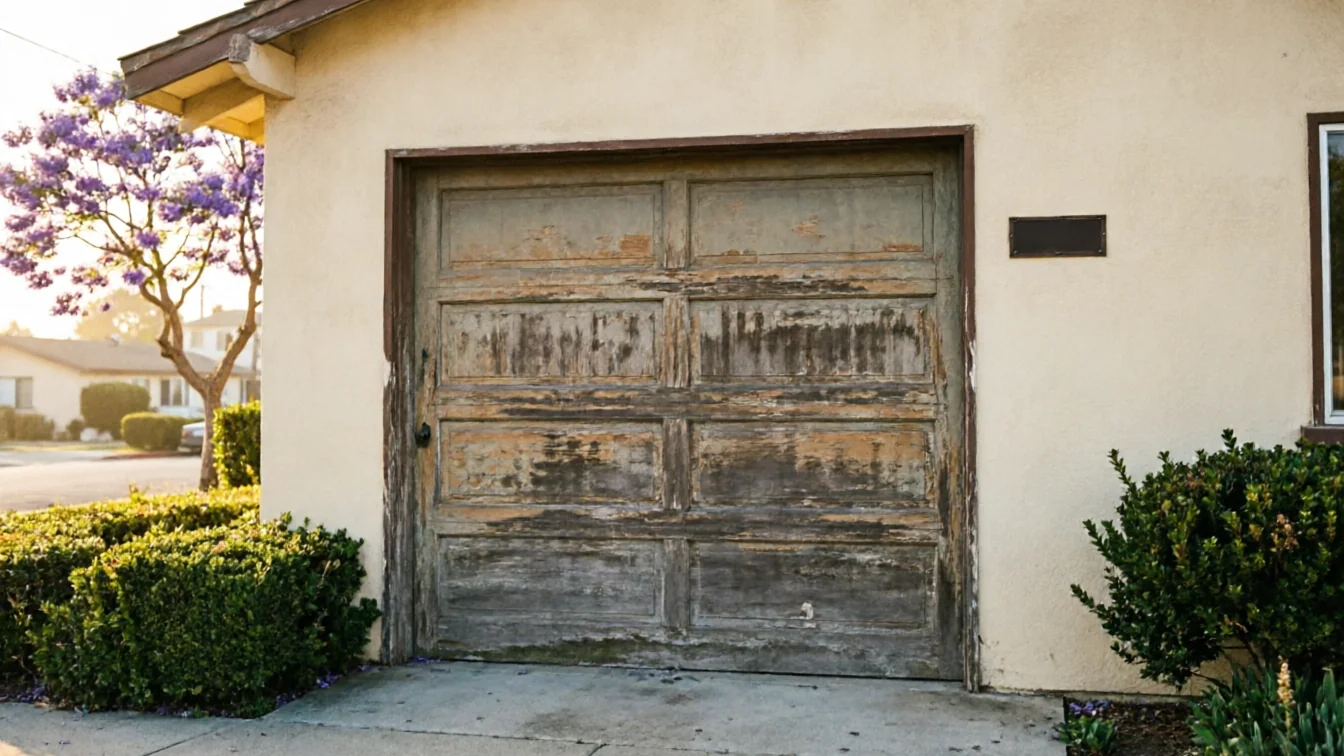
What a grinding, popping, or slamming garage door means in El Dorado Hills homes built mostly between 1959 and 2004, and when to stop troubleshooting and call someone.
Local detail
When It Stops Being a DIY Job
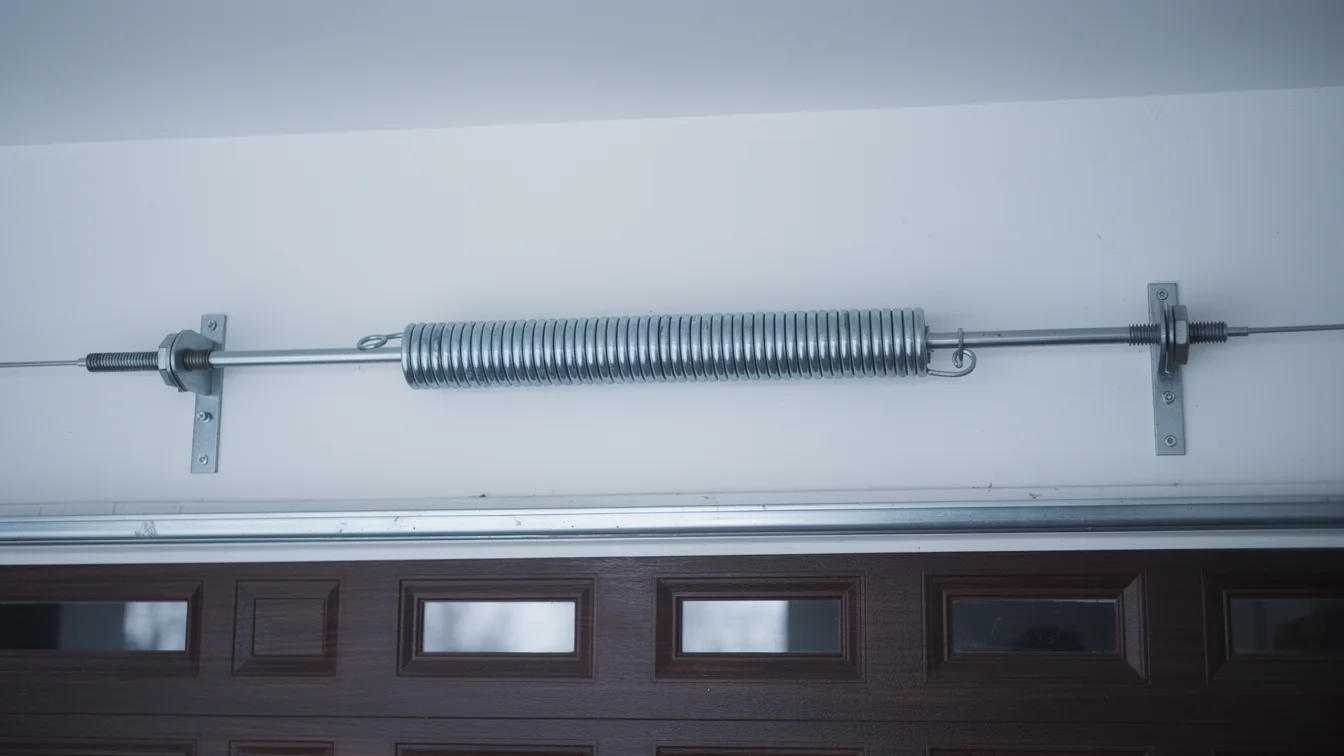
A lot of houses in El Dorado Hills and the surrounding area went up between 1959 and 2004, with most of that stock dating to the 1980s and 90s. That matters because the hardware on a door from that window is usually original or one replacement cycle in - extension springs on older side-mount setups, early torsion conversions on the newer end, and openers that have been through at least one gear-and-sprocket kit already. If the sound is a single loud bang followed by the door refusing to lift, that's a spring letting go, and it is not a tighten-this-bolt fix. Springs under tension can take a finger off. If the sound is a rhythmic thunk-thunk as the door travels, you're likely looking at a bent track or a roller that's past its life, and that one you can sometimes nurse along. The line is simple: anything involving a spring, cable, or the drum it winds onto goes to a call. Anything involving a roller, hinge, or weatherstrip is fair game to look at yourself first.
The area
What Local Conditions Do
This area sits in a moderate heat climate band, not desert-extreme, but warm enough that steel expands and contracts through the season and nylon rollers on 1980s-era doors dry out faster than people expect. The noise that shows up most with that kind of cycling is a dull squeal on the way up that quiets once the door's warmed from a few open-close cycles - that's roller wear, not a motor problem. Doors installed in the 80s and 90s boom years in this part of the county often still run the original torsion spring, which means three-plus decades of heat cycling on one coil. Metal fatigues even without any single dramatic failure. A spring that's been doing that since the Reagan administration isn't a question of if, it's when, and the noise it makes right before going is often a faint ticking as the coils start to separate under load.
What we find
The Problem
The honest problem with a lot of these mid-century-to-late-century doors is that the hardware doesn't match current expectations even when it still technically works. A door engineered in 1981 was not built with today's insulation standards or today's opener torque curves in mind, and bolting a new heavy-duty opener onto a 40-year-old torsion bar is how you get a loud grinding noise that nothing short of replacing the bar will fix. With household incomes in this service area running well above the regional median, a lot of owners are inclined to upgrade rather than patch, and that's often the right call once a door's hardware is original. But I'll say the limitation plainly: not every noisy door needs replacing. If the track is just out of alignment, that's a twenty-minute adjustment, not a new system.
How we work
Checking It Yourself
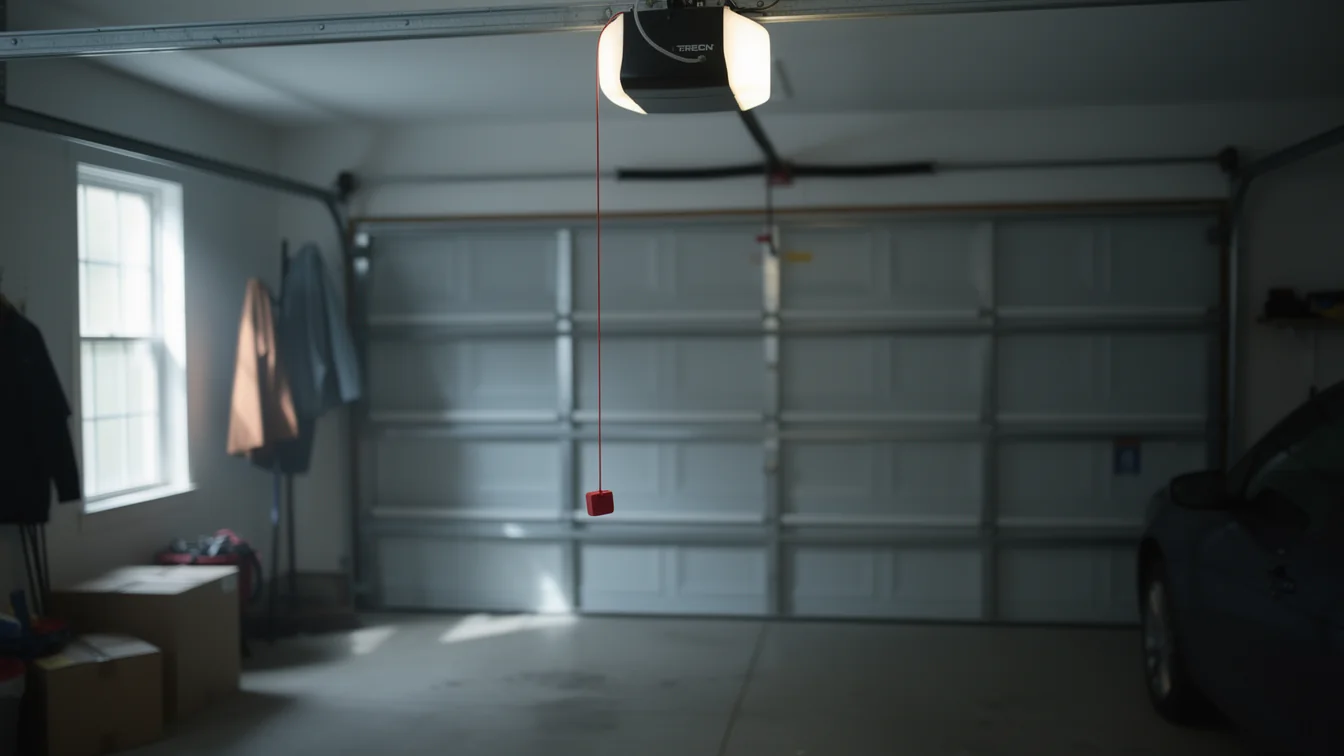
Before you call anyone, do this: open the door by hand with the opener disconnected and listen. A smooth, silent pull means the springs are still doing their job and the noise is coming from the opener or rollers. A heavy, uneven pull means the springs are tired, full stop, and that's a call, not a project. Run your hand along the track for burrs or bends - on the older side-mount setups common in this area's 80s-built homes, a slightly bent track is a common and fixable culprit for banging. Check the rollers for flat spots or cracking; they're cheap and you can often replace them yourself if you're comfortable with a ladder and a clamp on the spring side of things. What you should not do is touch anything wound under tension. If the sound is coming from the spring assembly itself, that's the one place where a wrong move costs a lot more than the repair would have.
Questions
Common questions
My door makes a loud bang and now won't open. What is that?
That's almost always a broken torsion or extension spring letting go all at once. It's common on older El Dorado Hills homes still running original hardware from the 80s or 90s. Don't try to force the door open or closed - the broken spring can still be under partial tension. This is a call, not a DIY fix.
Why does my door squeal only in the afternoon?
Heat cycling. In this area's moderate-heat climate, metal track and nylon rollers expand through the day, and dry or worn rollers squeal more as they warm. If it quiets down after a few cycles, it's wear, not an emergency - but worn rollers are cheap to replace before they fail outright.
Is a grinding noise from the opener serious?
It depends on what's grinding. If it's the gear inside the opener housing, that part wears out on its own over time. If it's the opener straining against an old torsion bar that's never been upgraded, the fix is bigger. Either way, grinding that gets louder week to week is worth having looked at before it stops working entirely.
Can I just replace the spring myself?
I'd rather you didn't. A wound torsion spring holds enough force to cause serious injury if it releases wrong, and the winding bars and clamps needed to do it safely aren't something most homeowners keep around. Rollers, hinges, and weatherstrip are reasonable DIY. Springs and cables aren't.
Recommendation
You Might Also Like
More garage door guides for El Dorado Hills homeowners.
Why garage door springs in El Dorado Hills homes built between 1959 and 2004 fail on cool mornings, what the moderate climate band actually means, and what to check before you call.